African social capital
News November 2026: after spreading our first results among the Financing for Development community, several African NGOs contacted us to start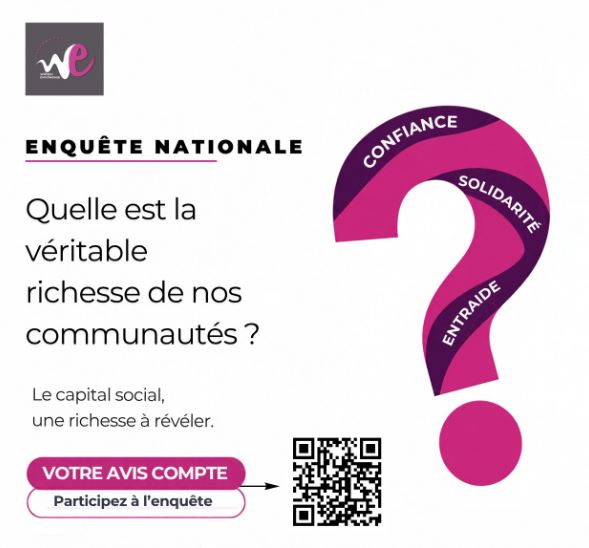 the Social Capital Assessment. Some have a very practical approach. They have a Video Chat with us and start to spreading the survey in their networks. Fanny Fanou-Ako, MBA and President of Women Empowered-Benin (WE-ONG) shows how easy the Monitor can work. You can browse their Instagram Post here: https://www.instagram.com/p/DfE0xHYlNQb/
Nevertheless, in many countries potential partners still think, that to conduct the Monitor they need to build up capacities first. While this would require additional funding, they do not start. All the results we still have and publish, though root from participants and partners that don’t see any obstacles to fill out the questionnaire. This complete voluntariness is itself a form of social capital and distinguishes the World Social Capital Monitor from surveys in which participants are first selected because they are considered to be representative of the general population. In our case, however, every single rating is valuable.
The correction of the 1569 Mercator map was one of the greatest scientific achievements, which was incorporated into a UN General Assembly resolution: https://news.un.org/en/story/2026/09/1168284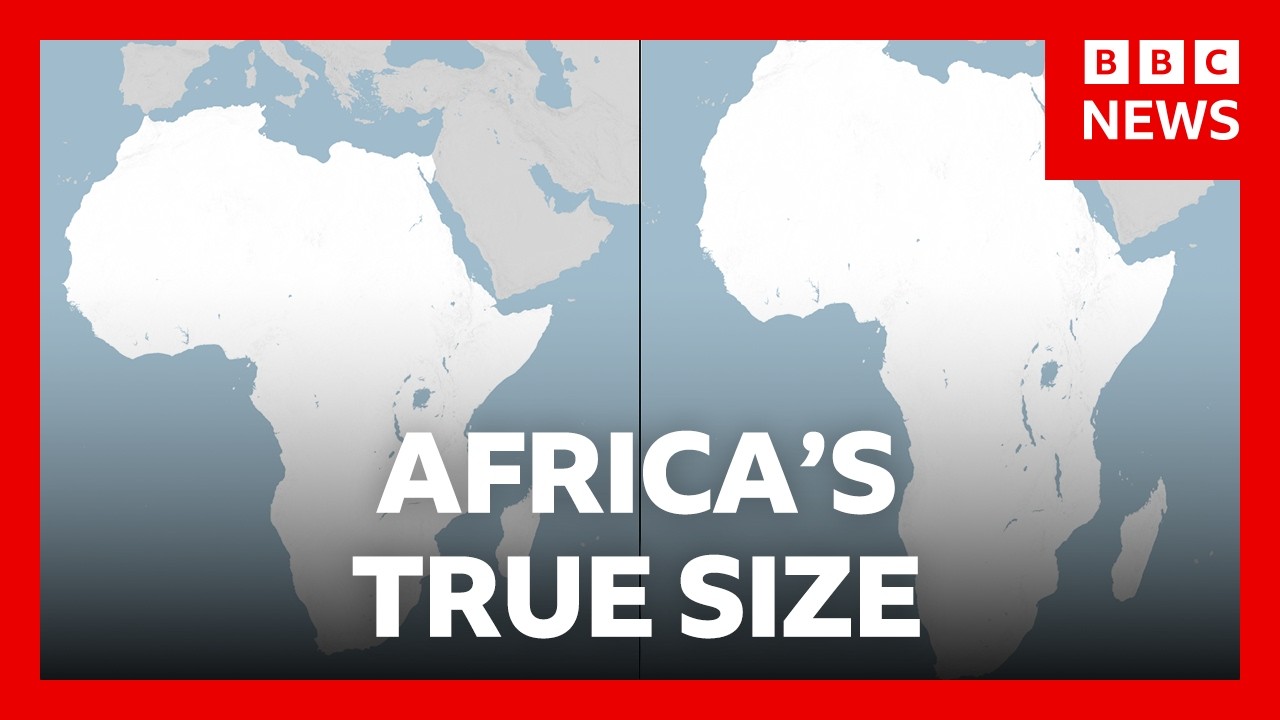
The representation of the 54 African countries in international statistics still remains distorted: it compares African countries using indicators that depend primarily on produced capital—an area in which Africa is particularly poor, unlike in terms of natural, human, and social capital. These are the four forms of capital discussed in the Beyond GDP Initiative of Secretary General Antonio Guterres, where Basel Institute is a contributor: http://commons.ch/wp-content/uploads/Intergovernmental-Process-on-Beyond-GDP-Input-Basel-Institute-of-Commons.pdf
We can now present a first glance on the social capital of 51 out of 54 African countries:
http://commons.ch/wp-content/uploads/The-Social-Capital-of-African-People-at-a-Glance.pdf
 This makes it possible to offer the following services for every African country and every African city:
- Comparison with other sociodemographic data on the economy, health, education, and the environment
- Comparisons among African countries, cities, and regions
- Alerts when an indicator drops by more than 0.5 points
- Creation of a time series that enables forecasting of future trends
Please contact us to get an offer (as well in French!) : Dr. Alexander Dill, dill@commons.ch
Kommentare deaktiviert für African social capital
admin am September 10th 2026